You Won't Believe These Smoky Mountain Festival Secrets
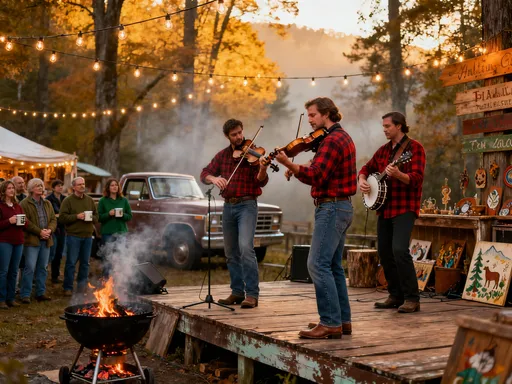
Nestled in the heart of Appalachia, the Great Smoky Mountains come alive like nowhere else during festival season. I’m talking fiddles under the stars, smoke from barbecue pits curling into cool mountain air, and front-porch jams that go till midnight. These aren’t just events—they’re windows into a culture that’s lived here for generations. If you’re chasing real moments, not tourist traps, this is where you need to be. More than just seasonal celebrations, these festivals offer a rare chance to step into a world shaped by storytelling, handcrafts, and shared meals beneath open skies. For women who value tradition, authenticity, and meaningful travel, the Smokies’ festival calendar is a treasure map to something deeper: connection.
Why Festival Season Transforms the Smokies
The Great Smoky Mountains undergo a quiet metamorphosis each year as summer gives way to fall. The air cools, the leaves begin their fiery transformation, and small towns nestled in the valleys start to hum with anticipation. This is when the region’s soul truly emerges—not in crowded overlooks or souvenir shops, but in the rhythm of community festivals that have been passed down for decades. These gatherings are not manufactured for tourists; they are rooted in the seasonal cycles of farming, harvest, and music that have long defined Appalachian life. The festivals reflect a deep respect for land, family, and craftsmanship, making them far more than entertainment—they are living expressions of cultural continuity.
What sets festival season apart is the convergence of natural beauty and human tradition. As the mountains blaze with autumn color, communities come together to celebrate the fruits of their labor. Apple harvests are pressed into cider, corn is shucked for communal meals, and artisans display quilts, pottery, and woodwork that carry stories within their stitches and carvings. Unlike standard sightseeing, which often keeps visitors at a distance, these events invite participation. You might find yourself clapping along to a fiddle tune, trying your hand at butter churning, or sharing a meal with a local family. These interactions create a sense of belonging that few travel experiences can match.
For many residents, these festivals are acts of preservation. They serve as a way to pass down skills and songs that might otherwise fade. Storytelling sessions, for instance, are not performances but inheritances—elders sharing tales of mountain life, ghost stories, and family histories with younger generations. Music, too, is more than background noise; it’s a thread connecting past and present. Bluegrass and old-time tunes played on banjos and fiddles echo through the hills just as they did a century ago. When travelers attend these festivals, they’re not just observers—they become part of a larger effort to keep these traditions alive.
Top Annual Festivals You Can’t Miss
If you’re planning a trip to the Smokies during festival season, timing is everything. Late summer through early fall is packed with some of the region’s most beloved events, each offering a unique window into Appalachian culture. One of the most celebrated is the Mountain Heritage Arts & Crafts Fair, held annually in late September in Maggie Valley, North Carolina. This three-day event draws artisans from across the Southeast, showcasing handmade quilts, hand-thrown pottery, and intricately carved walking sticks. What makes it special is the emphasis on authenticity—every vendor must demonstrate that their work is original and crafted by hand, often using techniques passed down through generations.
Another standout is the Smoky Mountain Tunes & Tales, hosted in Pigeon Forge each October. This festival honors the region’s rich storytelling and musical heritage, bringing together nationally recognized performers and local legends. Held in an intimate outdoor amphitheater, the event features spellbinding tales of mountain life, ghost stories, and humor, all delivered with the warmth and cadence unique to Southern Appalachia. Live music performances include bluegrass, gospel, and traditional ballads, often accompanied by dance. The atmosphere is family-friendly, with children sitting cross-legged on blankets, captivated by voices that seem to rise from the earth itself.
The Ole Smoky Fall Festival, located just outside Gatlinburg, offers a more immersive experience. Spread across a sprawling farmstead, this event blends music, food, and hands-on activities. Visitors can watch apple butter being made in giant kettles stirred by hand, try their luck at cornhole tournaments, or listen to fiddle contests that draw top regional talent. The festival’s rustic charm lies in its simplicity—there are no flashy rides or corporate sponsors, just genuine celebration. Food stands serve classic mountain fare like fried apple pies and smoked sausage, while craft vendors sell everything from handmade soap to dulcimers.
For those drawn to history, the Roaring Fork Valley Fall Festival in Townsend, Tennessee, provides a quieter but equally rich experience. Held in a historic church and community center, the event features local musicians, heritage demonstrations, and a traditional harvest supper. It’s the kind of gathering where you might meet a fifth-generation blacksmith or learn how to card wool from a woman whose family has lived in the valley since the 1800s. These festivals, while different in scale and style, all share a common thread: they are community-led, deeply rooted, and open-hearted.
Hidden Festival Experiences Off the Tourist Path
Beyond the well-known festivals, the true magic of the Smokies often lies in the smaller, lesser-publicized events that take place in towns with populations under 2,000. These gatherings aren’t listed on major travel sites, but they offer some of the most authentic experiences available. Church homecoming festivals, for example, are annual traditions in many rural communities. Typically held in late summer, they bring together families who’ve moved away with those who’ve stayed, all gathering for a day of worship, fellowship, and food. Visitors are often welcome, especially if they approach with respect and humility.
One such event takes place in the tiny hamlet of Wears Valley, Tennessee, where the local Baptist church hosts a fall dinner on its front lawn. Tables are set end to end, covered in checkered cloths, and laden with dishes brought by parishioners—casseroles, deviled eggs, banana pudding, and skillet cornbread. A bluegrass band plays on a makeshift stage, and children chase each other between the trees. There’s no admission fee, no merchandise for sale—just an open invitation to share a meal and a moment. These gatherings aren’t performances; they’re real life unfolding, and they offer a rare chance to connect with locals on a personal level.
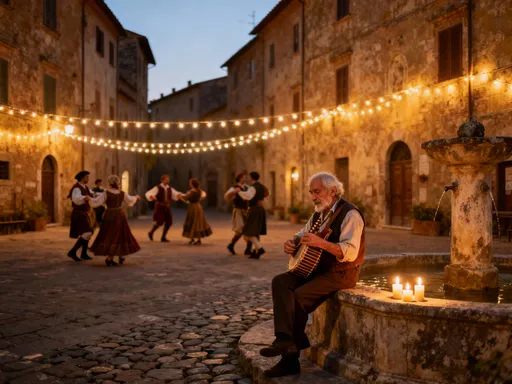
Another hidden gem is the farm-to-table harvest dinners hosted by family-run farms in the Cades Cove area. These events, often organized through word of mouth or local farming cooperatives, invite guests to dine on food grown and raised on the property. Imagine sitting at a long wooden table under string lights, eating roasted chicken, heirloom tomatoes, and fresh-baked biscuits while listening to a fiddler play in the background. These meals are not only delicious but deeply meaningful—they celebrate the connection between land and table, a value that lies at the heart of Appalachian culture.
For travelers seeking these experiences, the key is to listen and observe. Ask locals at farmers markets or small diners about upcoming events. Strike up conversations at gas stations or post offices—many residents are happy to share information if approached with genuine interest. The goal isn’t to intrude, but to participate respectfully. Dress modestly, arrive early, and offer to help if needed. These small gestures go a long way in building trust and opening doors to moments that no guidebook can promise.
How to Plan Your Festival Trip Right
Planning a trip to the Smoky Mountain festival season requires more than just picking a date and booking a flight. These events draw thousands of visitors each year, and accommodations in towns like Gatlinburg, Pigeon Forge, and Townsend fill up months in advance. The smart move is to secure lodging by early summer, especially if you’re traveling during peak weekends in October. Options range from cozy log cabins with mountain views to family-run bed and breakfasts and public campgrounds. Cabins are particularly popular among families and small groups, offering privacy and home-like comforts such as full kitchens and fireplaces.
When choosing where to stay, consider proximity to festival sites and ease of access. Some events are held in central town squares, while others take place in more remote locations with limited parking. Staying within walking distance or using official shuttle services can save time and reduce stress. The Great Smoky Mountains National Park and local tourism boards often provide free or low-cost shuttles during major festivals, especially in Gatlinburg, where traffic congestion can be severe. These shuttles run on fixed routes and connect hotels, parking areas, and festival grounds, making them a reliable alternative to driving.
Checking event schedules in advance is crucial. Most festivals publish their lineups and daily programs online, but changes can occur due to weather or other factors. Signing up for email alerts or following local visitor centers on social media can keep you informed of updates. It’s also wise to have backup plans—rain can cancel outdoor performances, and popular workshops may fill up quickly. Arriving on a weekday, rather than a weekend, can improve your experience significantly. Crowds are smaller, parking is easier, and you’re more likely to have meaningful conversations with artisans and performers.
Transportation within the region should also be considered. While having a car offers flexibility, parking near festival sites can be challenging. Many towns implement temporary road closures or restricted access during large events. If you’re staying in a central location, consider leaving your car parked and using shuttles, walking, or even biking. Some towns, like Townsend, are small enough to navigate on foot, and the slower pace allows you to soak in the scenery and atmosphere at a more relaxed rhythm.
What to Eat (And Where) During Festival Season
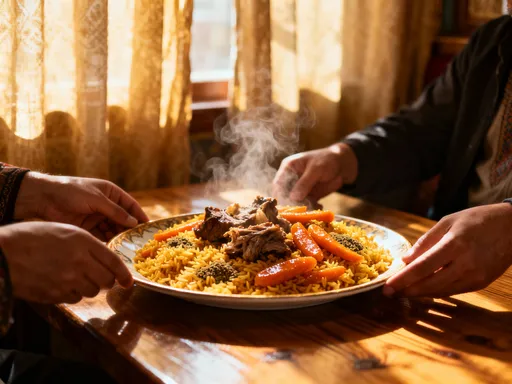
No festival experience in the Smokies is complete without indulging in the region’s distinctive cuisine. Appalachian food is hearty, flavorful, and deeply tied to the seasons. During festival season, the air fills with the scent of wood smoke, frying dough, and simmering stews. Food stalls and mobile kitchens pop up at nearly every event, offering everything from classic comfort dishes to creative modern twists. One of the most iconic foods is smoked meat—typically pulled pork or brisket, slow-cooked over hickory or applewood and served with tangy vinegar-based barbecue sauce. These meats are often sold by local pits that have been operating for generations, their recipes closely guarded family secrets.
Another must-try is apple butter, a rich, spiced spread made from apples slow-cooked for hours in large iron kettles. At festivals like the Ole Smoky Fall Festival, you can watch the entire process—from peeling and coring to stirring with long wooden paddles. Once ready, the apple butter is sold in jars or spread on warm biscuits, creating a treat that’s both nostalgic and delicious. Cornbread, too, is a staple, often baked in cast-iron skillets and served with honey or pinto beans. Unlike the sweet versions found elsewhere, Appalachian cornbread is typically savory, with a slightly crumbly texture that pairs perfectly with chili or stew.
Desserts are another highlight. Festival goers line up for cobblers made with fresh peaches, blackberries, or apples, baked in aluminum pans and served with a scoop of vanilla ice cream. Fried pies—small, handheld pastries filled with fruit and sugar—are also popular, offering a portable treat that’s easy to enjoy while walking from booth to booth. For those with dietary restrictions, some vendors now offer gluten-free cornbread, dairy-free cobblers, or vegetarian versions of traditional dishes, reflecting a growing awareness of diverse needs without sacrificing authenticity.
Where you eat matters as much as what you eat. Look for family-run stands where the people serving you are the ones who prepared the food. These vendors often share stories about their recipes or the history behind a dish, turning a simple meal into a conversation. Avoid chain food trucks or generic fast food—the real flavor of the Smokies lies in its homemade, handcrafted offerings. Bringing cash is also a good idea, as many small vendors don’t accept credit cards, and ATMs can be crowded during peak times.
Packing, Prep, and On-the-Ground Tips
Packing for a festival trip to the Smokies requires thoughtful preparation, especially since mountain weather can be unpredictable. Mornings may be crisp, afternoons warm, and evenings chilly, even in early fall. Layering is essential—bring lightweight long-sleeve shirts, sweaters, and a waterproof jacket. Sturdy walking shoes are a must, as many festival sites involve gravel paths, grassy fields, or uneven terrain. Comfortable footwear will make a big difference, especially if you’re on your feet for several hours.
Other essentials include a reusable water bottle, a small backpack for carrying purchases, and a foldable chair if you plan to attend outdoor concerts or storytelling sessions. Many events don’t provide seating, and standing for long periods can be tiring, especially for those with joint or back concerns. A lightweight blanket or picnic mat also comes in handy for sitting on the grass during performances. Sun protection—such as a hat, sunglasses, and sunscreen—is important, even on cloudy days, as UV exposure can be strong at higher elevations.
When it comes to etiquette, respect is the guiding principle. These festivals are community events first and tourist attractions second. Ask before taking photos of people, especially elders or children. Avoid touching crafts or instruments unless the artisan invites you. Support local makers by purchasing directly from them—every dollar spent helps sustain traditional skills and livelihoods. If you’re invited to a homecoming dinner or private event, bring a small token of appreciation, like a dish to share or a handwritten note of thanks.
On the ground, arrive early to secure good spots, avoid crowds, and beat the heat. Weekday visits are often quieter and more relaxed, allowing for deeper engagement with performers and vendors. Don’t rush from booth to booth—slow down, listen, and let the rhythm of the festival guide you. If you’re traveling with children, involve them in hands-on activities like butter churning or corn shelling. These experiences aren’t just fun—they’re educational, offering a tangible connection to history and heritage.
Beyond the Festivals: Blending Culture with Nature
The beauty of visiting the Smokies during festival season is the seamless way culture and nature intertwine. These mountains are not just a backdrop—they are part of the story. After a morning of music and crafts, consider a moderate hike to one of the region’s iconic trails. Clingmans Dome, the highest point in the park, offers a panoramic view that stretches for miles, especially stunning in the golden light of late afternoon. The observation tower is accessible via a half-mile paved path, making it suitable for most fitness levels.
Cades Cove, a broad valley surrounded by mountains, is another must-visit. Known for its well-preserved historic cabins, churches, and grist mills, it provides a living glimpse into 19th-century Appalachian life. The 11-mile loop road is perfect for a leisurely drive or bike ride, with frequent stops to explore structures and wildlife. It’s not uncommon to see deer grazing in the fields or turkeys strutting across the road. Visiting Cades Cove after a festival day allows you to reflect on how the traditions you’ve witnessed are rooted in this very landscape.
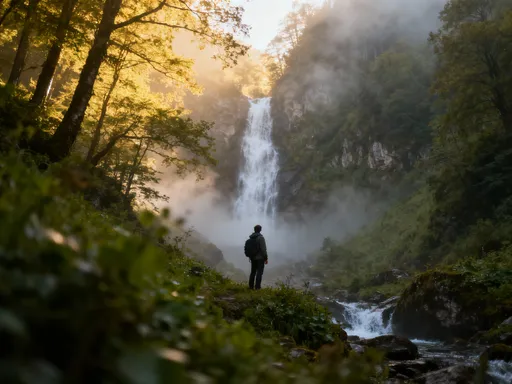
Waterfalls are another highlight. Grotto Falls, reachable via a 2.6-mile round-trip trail, lets you walk behind the cascade—a thrilling experience that delights all ages. Abrams Falls, though more strenuous, rewards hikers with a powerful 20-foot drop and a serene pool below. Timing a waterfall hike for the morning or late afternoon avoids the midday heat and crowds, and the sound of rushing water offers a peaceful contrast to the lively energy of festival music.
Scenic drives through the park, especially along the Blue Ridge Parkway, showcase the full glory of autumn. The changing leaves—ranging from golden yellow to deep crimson—create a living tapestry that shifts with the light. Pull over at overlooks to take photos, breathe in the crisp air, and simply be present. These moments of quiet awe complement the joy and connection found at festivals, creating a well-rounded, deeply fulfilling travel experience.
Festival season in the Great Smoky Mountains isn’t just about entertainment—it’s about belonging, even if just for a weekend. These events preserve a way of life, and by attending, travelers help keep traditions alive. The real magic? You don’t just witness the culture—you become part of it.