You Won’t Believe These Hidden Adventures in Wales
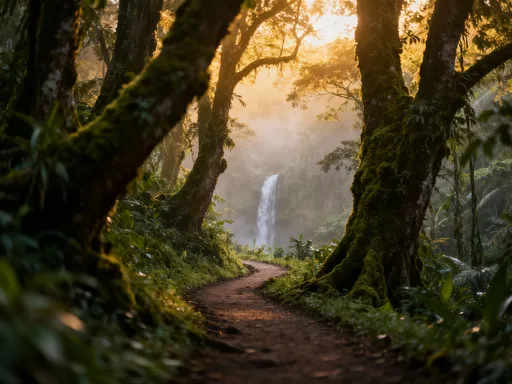
Wales is so much more than castles and mountains—it’s a playground of secret experiences waiting to be discovered. I recently explored its quiet valleys, misty cliffs, and coastal trails, and honestly, I was blown away. From underground cave walks to midnight foraging by the sea, these off-the-beaten-path activities offer something truly unique. If you’re looking for authentic, unforgettable moments, Wales delivers in the most unexpected ways. The country’s rugged coastline stretches over 870 miles, its national parks cover nearly 20% of the land, and yet many of its most magical corners remain quietly tucked away from crowds. This is a place where ancient traditions still echo in village halls, where sheep outnumber people, and where nature reclaims the path less traveled. For travelers seeking depth over distraction, Wales offers a rare gift: the chance to move slowly, listen closely, and connect deeply with landscapes that feel both timeless and alive.
Why Hidden Experiences in Wales Are Worth Seeking
Wales possesses a quiet magic that reveals itself only when you step beyond the postcard views. While Snowdon and Conwy Castle draw well-deserved attention, the true soul of the country often lies in its overlooked corners—where a footpath winds into a forgotten valley, or a local market buzzes with voices speaking Welsh in soft, rolling tones. These hidden experiences matter because they offer authenticity. They are not curated for mass appeal but preserved through tradition, geography, and a deep-rooted respect for the land. The Welsh have long lived in harmony with their environment, shaping a culture that values community, resilience, and quiet stewardship.
What makes Wales particularly suited for immersive travel is its remarkable balance of accessibility and seclusion. Despite its compact size, the country’s terrain creates natural pockets of solitude. Mountain ranges divide regions, rivers carve remote gorges, and coastal inlets hide villages reachable only by narrow roads or footpaths. This geographical fragmentation has helped protect local customs and ecosystems from the pressures of mass tourism. In places like the Upper Wye Valley or the Llŷn Peninsula, it’s still common to meet farmers who have worked the same land for generations, or to stumble upon a chapel where weekly services are held in Welsh. These are not performances for visitors—they are living parts of daily life.
Seeking out lesser-known experiences also allows travelers to engage more meaningfully. A spontaneous stop at a village hall during a craft fair, for example, might lead to a conversation with a weaver using wool from her own sheep. A quiet hike along a disused railway line in mid-Wales could reveal remnants of old mining communities, their stories shared by a retired miner turned volunteer guide. These moments foster connection in a way that crowded attractions rarely do. They invite presence, curiosity, and gratitude. And for families, especially those with older children or multigenerational groups, these quieter adventures offer space to breathe, explore, and create shared memories without the rush of tourist queues.
Exploring Forgotten Caves and Underground Passages
Beneath the rolling hills of southern Wales lies a hidden world shaped by water, time, and limestone. The Brecon Beacons National Park, particularly the area around the River Mellte, is home to a network of caves that have drawn adventurers for centuries. These are not polished show caves with handrails and lighting, but wild, natural systems where every step feels like a discovery. Guided caving tours—led by certified instructors from licensed outdoor centers—offer a safe yet thrilling way to explore this subterranean realm. Small groups, typically no more than eight, are equipped with helmets, headlamps, and protective clothing before descending into the earth.
The experience begins at the cave entrance, often concealed by moss and ferns, where the air grows noticeably cooler. As you crawl through narrow passages and wade through shallow streams, the outside world fades completely. The only sounds are the rhythmic drip of water, the crunch of gravel underfoot, and the occasional echo of a voice bouncing off damp walls. Light from your helmet cuts through the darkness, revealing glistening mineral deposits and ancient rock formations that have taken millions of years to form. Stalactites hang like stone icicles, while stalagmites rise from the floor, some so tall they nearly meet their counterparts above.
One of the most remarkable aspects of caving in Wales is its accessibility. While some routes require scrambling and moderate fitness, many introductory tours are designed for first-time adventurers, including older teens and adults in reasonable health. The emphasis is on safety, education, and respect for the environment. Guides explain how these caves were formed by acidic rainwater dissolving limestone over millennia, and how delicate the ecosystem is—home to rare species like cave shrimp and blind crustaceans that have adapted to life in total darkness. Touching formations is strictly prohibited, as even a single fingerprint can halt growth for decades.
Perhaps the most powerful moment comes during a brief pause in complete silence and darkness—a practice known as “blackout.” When all headlamps are switched off, the absence of light is absolute. In that stillness, many visitors report a profound sense of calm, a rare disconnection from the modern world. It’s a reminder of how small we are in the grand scale of nature. Emerging back into daylight feels like rebirth, with the colors of the landscape appearing brighter, the breeze more alive. Caving is not just an adventure; it’s a journey into the earth’s memory, a chance to walk where few have gone and feel the pulse of deep time.
Coastal Foraging at Dusk: A Sensory Journey
As the sun dips below the cliffs of the Pembrokeshire Coast Path, a different kind of exploration begins. Guided foraging walks at twilight offer a unique way to connect with Wales’ rich coastal ecology. Led by local experts—often marine biologists, chefs, or lifelong coastal dwellers—these walks teach participants how to identify edible plants and shellfish while emphasizing sustainability and respect for the environment. The air is thick with the scent of salt, seaweed, and wild herbs, and the rhythmic crash of waves provides a calming backdrop to this hands-on learning experience.
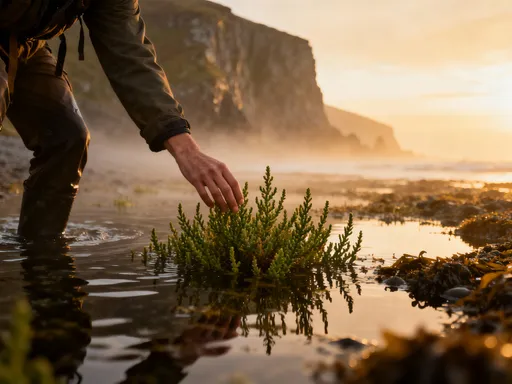
Along the rocky shores and tidal pools, foragers might discover sea samphire, a succulent plant with a crisp, salty taste often used in salads or as a garnish. Wild garlic flourishes in sheltered coves during spring, its broad leaves releasing a pungent aroma when crushed. In summer, blackberries appear in abundance, while mussels cling to rocks in areas where water quality is regularly tested and safe for harvesting. Each find is treated with care—participants are taught to take only what they need, leave enough for wildlife, and avoid disturbing protected species or habitats.
The educational aspect of these walks is just as valuable as the harvest. Guides explain tidal patterns, the importance of clean water for shellfish safety, and how climate change is affecting coastal ecosystems. They share stories of how coastal communities have relied on foraging for generations, from fishermen’s wives gathering seaweed for animal feed to children picking berries for jams. This blend of practical knowledge and cultural history transforms foraging from a simple activity into a meaningful tradition.
The experience often culminates in a simple seaside meal, where freshly gathered ingredients are prepared over a small stove or shared as part of a picnic. Eating food you’ve harvested yourself, with the sea breeze in your hair and the sound of gulls overhead, creates a deep sense of satisfaction. It’s a reminder of nature’s generosity and the importance of living in balance with it. For families, these walks offer a chance to teach children about food sources, environmental responsibility, and the joy of discovery. And for solo travelers or couples, the quiet intimacy of a twilight forage fosters reflection and connection—not just with nature, but with the rhythm of the tides and the cycles of the seasons.
Forest Bathing in Wales’ Quiet Woodlands
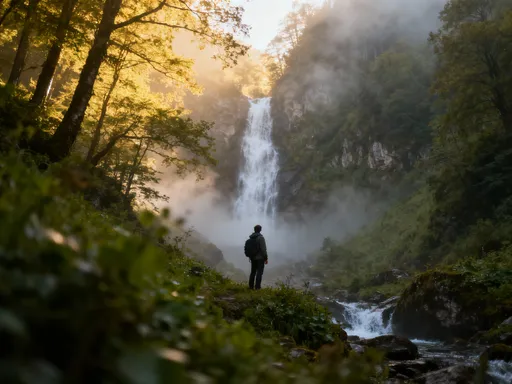
In the heart of Snowdonia and the Cambrian Mountains, a growing number of visitors are discovering the restorative practice of forest bathing, or *shinrin-yoku*, a term originating in Japan that has found a natural home in Wales’ ancient woodlands. Unlike hiking or trail running, forest bathing is not about distance or speed. It’s about slowing down, engaging the senses, and simply being present in the forest. Guided sessions, led by trained practitioners, encourage participants to walk mindfully, breathe deeply, and open themselves to the subtle wonders of the natural world.
One of the most popular locations for this practice is Coed y Brenin, a vast forest park in Gwynedd known for its winding rivers, towering pines, and carpet of bluebells in spring. Here, visitors follow quiet trails away from mountain biking routes and picnic areas, entering zones where human noise fades and bird calls take over. The guide might invite you to pause and listen—to the rustle of leaves, the distant call of a buzzard, or the gentle gurgle of a stream. You might be asked to touch the bark of an oak, smell the damp earth after rain, or sit quietly and watch sunlight filter through the canopy.
Scientific studies have shown that spending time in forests can reduce stress hormones, lower blood pressure, and improve mood. The phytoncides—natural oils released by trees—have been linked to enhanced immune function. But beyond the measurable benefits, forest bathing offers something harder to quantify: a sense of peace, clarity, and reconnection. In a world dominated by screens and schedules, this practice restores a sense of balance. It reminds us that we are part of nature, not separate from it.
For older adults or those managing stress or chronic fatigue, forest bathing can be especially beneficial. The pace is gentle, the atmosphere calming, and the focus is on internal experience rather than physical achievement. No special skills are required—just a willingness to be still and attentive. Participants are encouraged to leave phones behind, wear comfortable clothing, and bring a small notebook if they wish to jot down thoughts or sketches. Some sessions include light stretching or breathing exercises, while others are completely silent. What matters most is the intention: to step out of daily routines and into a space of quiet awareness. In Wales, where forests have stood for centuries and rivers have carved their paths through stone, this practice feels not just therapeutic, but timeless.
Choosing the Right Hidden Activity for Your Travel Style
With so many unique experiences on offer, selecting the right adventure depends on your interests, fitness level, and travel goals. Wales’ hidden activities cater to a wide range of preferences, from high-energy exploration to quiet contemplation. Understanding your travel style can help you choose an experience that feels both exciting and sustainable.
For those seeking adrenaline and physical challenge, caving or coastal kayaking along the Pembrokeshire coastline may be ideal. These activities involve movement, problem-solving, and a sense of adventure. They require a moderate level of fitness and a willingness to embrace discomfort—wet clothes, tight spaces, or unpredictable weather. But the rewards are immense: the thrill of navigating an underground river, the freedom of paddling past sea caves and seal colonies, and the pride of completing a demanding journey.
If your priority is relaxation and well-being, forest bathing or a guided mindfulness walk in a quiet valley might be more suitable. These experiences are designed to reduce stress, enhance mental clarity, and foster emotional balance. They require no physical exertion, only presence and openness. Similarly, a visit to a rural craft workshop—such as a pottery class in a converted barn or a wool-spinning demonstration at a heritage farm—offers a gentle, enriching way to engage with local culture.
For culture enthusiasts, evenings spent in historic inns or community halls can be deeply rewarding. Some villages host traditional storytelling nights, where local elders share myths, legends, and personal memories in Welsh and English. These events are not staged for tourists but are part of ongoing community life. Attending one offers a rare window into the heart of Welsh identity—its language, humor, and resilience. Pairing such an evening with a meal made from local ingredients completes a truly immersive experience.
Seasonality also plays a role in planning. Spring and early summer are ideal for foraging, wildflower walks, and forest bathing, when the landscape is lush and vibrant. Late summer and autumn bring berry harvests, mushroom foraging, and dramatic coastal light. Winter, though colder, offers its own beauty—misty mornings, empty trails, and the chance to experience Wales’ quietest moments. By aligning your activity with your personal preferences and the time of year, you ensure a journey that feels both authentic and enriching.
Practical Tips for Accessing Off-the-Grid Locations
Exploring Wales’ hidden corners requires some preparation, but the effort is well worth it. The key is to plan thoughtfully without overcomplicating. Many of these experiences are accessible through local tour operators who specialize in sustainable, small-group adventures. Reputable companies are licensed, insured, and staffed by experienced guides who know the terrain and weather patterns intimately. Booking in advance is recommended, especially during peak seasons, as spaces are often limited to protect the environment and ensure quality.
Transportation can be a challenge in rural areas, where public transit is infrequent. While major towns like Aberystwyth, Caernarfon, and Tenby are reachable by train or bus, reaching remote trailheads or coastal access points may require a car. If driving, it’s important to note that many rural roads are narrow and winding, with passing places for oncoming traffic. A GPS or offline map app is essential, as phone signals can be unreliable in mountainous or coastal zones.
Packing wisely enhances comfort and safety. Layers are crucial—Wales’ weather is famously changeable, with sunshine, rain, and wind possible in a single day. Waterproof jackets, sturdy walking boots, and a small backpack with water, snacks, and a first-aid kit are standard. For caving or foraging, operators usually provide specialized gear, but it’s wise to confirm in advance. A notebook and pen can be useful for recording observations, while a small camera or smartphone allows you to capture memories without disrupting the experience.
Checking weather and tide conditions is non-negotiable, especially for coastal activities. The Met Office and local visitor centers provide reliable forecasts, and tide tables are essential for foraging or beach walks. Never venture onto rocky shores or into caves without knowing the tide schedule—rising water can cut off escape routes quickly. Similarly, mountain weather can shift rapidly; what begins as a clear morning can turn into fog and rain by afternoon. Staying informed ensures you can adapt your plans and stay safe.
Finally, respecting local customs and environments is part of responsible travel. Always ask permission before entering private land, stick to marked paths to prevent erosion, and carry out all litter. Supporting local businesses—whether a family-run B&B, a village café, or a craft shop—helps sustain the communities that preserve these hidden gems. By traveling with care and curiosity, you become part of the solution, not the strain.
Preserving Wales’ Hidden Gems for the Future
As more travelers seek authentic, low-impact experiences, the need to protect Wales’ hidden treasures has never been greater. Overtourism, while not yet widespread in most rural areas, poses a real threat to fragile ecosystems and traditional ways of life. Popular trails can suffer from erosion, rare plants can be trampled, and small villages can be overwhelmed by traffic and waste. The very qualities that make these places special—quiet, beauty, authenticity—are also what make them vulnerable.
The solution lies in thoughtful, responsible exploration. Choosing small-group tours limits environmental impact and ensures more personalized, educational experiences. Following Leave No Trace principles—packing out all waste, avoiding single-use plastics, and minimizing noise—helps keep landscapes pristine. Staying on designated paths prevents soil erosion and protects nesting birds and rare flora. When foraging, harvesting only what is abundant and legal ensures that future visitors can enjoy the same bounty.
Supporting local guides and community-run initiatives is equally important. These individuals and organizations have a vested interest in protecting their environment and culture. They often reinvest income into conservation projects, heritage preservation, and youth programs. By choosing their services, travelers contribute directly to sustainability. Additionally, learning a few words of Welsh—such as *diolch* (thank you) or *bore da* (good morning)—shows respect for the language and people, fostering goodwill and deeper connection.
Ultimately, the goal is not just to visit Wales, but to honor it. Each footstep in a quiet forest, each shell left in place, each conversation with a local is a choice that shapes the future of these places. By traveling with intention, humility, and care, we ensure that Wales’ hidden adventures remain available—not just for us, but for generations to come. The beauty of these experiences lies not only in their rarity, but in their ability to remind us of what matters: connection, wonder, and the quiet joy of discovery. Let that be the legacy we leave behind—not footprints, but gratitude.