Whispers of the Caldera: Santorini’s Protected Soul
Hidden within Santorini’s postcard-perfect cliffs and blue-domed churches lies a quieter, wilder beauty—one preserved in its protected natural areas. Beyond the crowds, volcanic trails wind through untouched landscapes, where rare flora cling to life and the Aegean breathes freely. This is not just a vacation; it’s an immersion into a fragile paradise guarded by law and love. Discover how Santorini’s conservation efforts reveal its most authentic, soul-stirring secrets.
The Other Side of Santorini
Santorini is often celebrated for its dazzling sunsets, whitewashed villages, and romantic ambiance that draws couples and dreamers from across the globe. Yet beneath this well-known image lies a more profound truth—one that speaks not only of beauty but of resilience, balance, and preservation. While millions arrive each year to capture the perfect photograph, few pause to consider the delicate ecosystems that make this island not just picturesque, but irreplaceable. The island’s true essence is not only found in its iconic architecture or panoramic vistas, but in the protected natural spaces that have been carefully preserved against the pressures of modern tourism.
These areas—designated under European and national environmental frameworks—serve as sanctuaries for biodiversity, cultural memory, and geological wonder. They are places where the land tells stories older than any temple or taverna: of volcanic eruptions that reshaped the earth, of plants that evolved in isolation, and of seabirds that return each spring to the same rocky ledges. Conservation here is not an afterthought; it is a necessity. Without these protections, Santorini’s natural soul—the very foundation of its allure—would be at risk of fading beneath foot traffic, erosion, and unchecked development.
For the thoughtful traveler, especially those who value authenticity and quiet discovery over spectacle and convenience, these protected zones offer a rare opportunity: to walk where nature still leads, where silence still holds space, and where the island reveals itself not as a stage set, but as a living, breathing entity. This is the other side of Santorini—an invitation to see deeper, tread lightly, and connect with a landscape that has endured millennia.
The Natura 2000 Network and Santorini’s Legal Protections
At the heart of Santorini’s environmental stewardship lies the Natura 2000 network, a cornerstone of European Union conservation policy. Established to safeguard Europe’s most valuable and threatened species and habitats, Natura 2000 spans over 27,000 sites across 27 countries, forming the largest coordinated network of protected areas in the world. Santorini, despite its small size and reputation as a tourist hotspot, contributes significantly to this effort through several designated zones that reflect its unique ecological and geological value.
Two primary areas on the island fall within the Natura 2000 framework: the Akrotiri Peninsula and a stretch of the caldera rim extending from Fira to Oia. These zones are not closed off to visitors, but rather managed with care to balance public access with ecological integrity. The designation means that any development, infrastructure project, or large-scale tourism activity within these areas must undergo rigorous environmental assessment. This legal oversight ensures that the island’s most sensitive landscapes are not compromised for short-term gains.
The Akrotiri Peninsula, for instance, is protected under both habitat and bird directives due to its rich biodiversity and role as a stopover for migratory species. The caldera rim, meanwhile, is valued not only for its dramatic scenery but also for its rare cliff-dwelling plants and vulnerable volcanic soils. Regulations limit construction, restrict vehicle access, and prohibit the removal of natural materials such as rocks or flora. These measures are not arbitrary—they are science-based responses to real threats, from soil erosion to habitat fragmentation.
Local authorities work in tandem with national environmental agencies to monitor compliance and adapt management strategies as needed. Signage in multiple languages informs visitors of restricted zones, and rangers conduct periodic patrols, especially during peak seasons. While enforcement remains a challenge given the volume of tourism, the presence of these legal frameworks provides a crucial foundation for long-term preservation. For travelers, understanding these protections is not just about following rules—it’s about recognizing that every step taken on this island carries weight, and that respect for its laws is a form of respect for its soul.
Akrotiri Peninsula: Where Nature Meets Ancient Silence
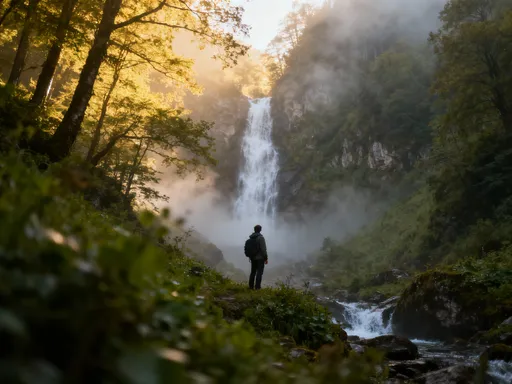
Stretching like a rugged finger into the southern Aegean, the Akrotiri Peninsula offers one of Santorini’s most profound natural experiences. Far from the bustling marinas and souvenir shops, this protected expanse unfolds in a landscape of red-rock cliffs, wind-sculpted trails, and sweeping views of the surrounding sea. It is a place where time seems to slow, where the only sounds are the rustle of drought-resistant shrubs and the distant cry of a passing bird. The peninsula is not only a haven for nature lovers but also a living archive of the island’s deep history—both geological and human.
The area is home to a surprising variety of plant life, much of it adapted to the island’s arid conditions and volcanic soil. Species such as the Santorini chameleon plant (Crepis sanctae-helenae) and the endemic Thymus holosericeus thrive in rocky crevices, their resilience a testament to centuries of adaptation. These plants are not merely ornamental; they play a vital role in stabilizing the soil and supporting pollinators. Even the sparse vegetation contributes to a delicate ecological web that would be easily disrupted by trampling or unauthorized harvesting.
Birdwatchers will find the peninsula especially rewarding. Positioned along a major migratory route between Africa and Europe, Akrotiri serves as a critical rest stop for species such as Eleonora’s falcon, the blue rock thrush, and various warblers. During spring and autumn, the skies above the cliffs come alive with movement as birds navigate their long journeys. Observation points have been thoughtfully placed to allow viewing without intrusion, and guided eco-tours often include binoculars and quiet guidance to minimize disturbance.
Adding to the site’s significance is the proximity of the ancient Minoan settlement of Akrotiri, a Bronze Age town preserved under volcanic ash much like Pompeii. While the archaeological site itself is managed separately, its presence underscores the deep connection between human civilization and the natural environment. The people who lived here over 3,500 years ago relied on the same land, sea, and climate that we seek to protect today. Visiting the peninsula is thus not just a walk through nature, but a journey through layers of time—where conservation becomes a form of continuity, honoring both past and future.
The Caldera Rim Trail: A Walk Through Protected Majesty
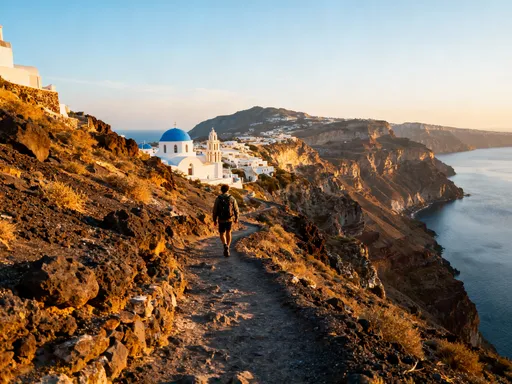
One of the most iconic experiences on Santorini is walking the caldera rim trail from Fira to Oia, a path that traces the edge of a volcanic crater with breathtaking views of the deep blue sea below. While often celebrated for its scenic beauty, this route also passes through a protected ecological zone where conservation and tourism must coexist. The trail, which spans approximately 10 kilometers, is not merely a tourist attraction—it is a managed corridor designed to allow access while minimizing environmental damage.
The geology of the caldera rim is both stunning and fragile. Layers of pumice, ash, and lava rock form steep cliffs that are highly susceptible to erosion, particularly when exposed to heavy foot traffic. To protect the integrity of the landscape, authorities have reinforced certain sections with stone paving and installed wooden railings where the drop-offs are most severe. Signage in English, Greek, and other languages reminds hikers to stay on marked paths, avoid sitting on cliff edges, and refrain from carving names or symbols into the rock—acts that may seem minor but accumulate into lasting harm.
Flora along the trail includes hardy species such as spiny broom (Calicotome villosa) and various aromatic herbs like oregano and sage, which release their scent with every breeze. These plants are adapted to survive with minimal water, but they cannot withstand constant trampling. In recent years, erosion has led to the closure of short segments of the trail during off-season months to allow for natural recovery. Drones are prohibited in many sections to prevent disturbance to nesting birds, and large groups are required to book guided access during peak periods.
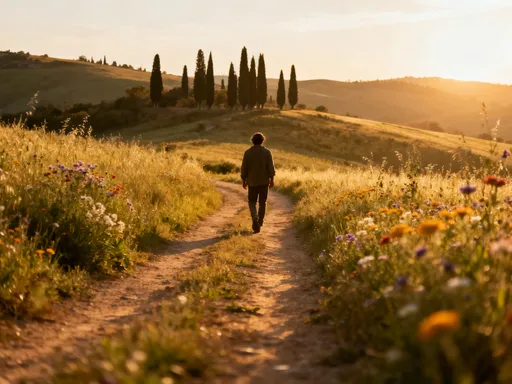
Despite these measures, the trail remains accessible to all who approach it with care. Early morning or late afternoon hikes offer not only cooler temperatures but also quieter conditions, enhancing the sense of solitude and reflection. Local guides often share stories of the island’s volcanic history, explaining how the caldera was formed by a massive eruption around 1600 BCE—a cataclysm that shaped the island’s identity. Walking this path becomes more than exercise or sightseeing; it is an act of witness, a way to engage with a landscape that has endured destruction and renewal in equal measure.
Marine Protection Around the Volcanic Islands
Beneath the shimmering surface of the Aegean Sea surrounding Santorini lies another world—one equally deserving of protection. The volcanic islets of Nea Kameni and Palea Kameni, formed by eruptions in the 18th and 20th centuries, are not only geological curiosities but also anchors for a growing marine conservation effort. The waters around these islands, once subject to unregulated boat traffic and anchoring, are now part of a protected marine zone aimed at preserving fragile seabed habitats, including seagrass meadows and volcanic rock formations that support diverse marine life.
Anchoring directly on the seafloor is now prohibited in designated areas to prevent damage to Posidonia oceanica, a species of seagrass that plays a crucial role in oxygen production, carbon sequestration, and coastal stabilization. These underwater meadows grow slowly and can take decades to recover from even minor disturbances. By requiring boats to use mooring buoys instead of dropping anchors, authorities help ensure that these vital ecosystems remain intact.
Diving and snorkeling activities are also regulated to protect both marine life and visitor safety. Certified dive operators follow strict guidelines, avoiding contact with coral-like formations and refraining from feeding fish. Some areas are closed seasonally to allow species to breed undisturbed. Educational briefings are standard before any underwater excursion, emphasizing the importance of passive observation and respect for the marine environment.
Sustainable boat tours have emerged as a model for responsible tourism. These vessels, often smaller and locally owned, operate with reduced engine noise and waste management systems to minimize pollution. Many include naturalists or marine biologists who explain the geological history of the islands and point out signs of marine activity, such as dolphins in the distance or octopuses nestled in rocky crevices. These tours do more than entertain—they educate, fostering a deeper appreciation for the sea that defines Santorini’s character.
Challenges of Tourism and Conservation Balance
Despite the best efforts of conservationists and local authorities, Santorini faces a constant challenge: how to welcome over two million visitors annually while protecting an environment that cannot sustain unlimited human impact. The island’s infrastructure, originally designed for a much smaller population, strains under the weight of mass tourism, particularly during the summer months. Trails erode faster than they can be repaired, waste management systems reach capacity, and the temptation to bypass restrictions grows when oversight is limited.
One of the most visible issues is unauthorized access to protected areas. Some visitors, seeking solitude or a unique photo, stray from marked paths or enter restricted zones, often unaware of the consequences. A single footstep on unstable soil can trigger a cascade of erosion, especially on steep caldera slopes. Others remove volcanic rocks or pick rare plants as souvenirs, not realizing that these acts undermine years of conservation work. Even well-meaning actions, such as leaving food for animals or flying drones for aerial shots, can disrupt delicate ecological balances.
In response, the Greek Ministry of Environment and Energy, in collaboration with local municipalities and NGOs, has launched several initiatives to strengthen enforcement and raise awareness. Seasonal visitor caps are being explored for sensitive areas like the Akrotiri Peninsula and parts of the caldera trail. Eco-certification programs now recognize tour operators who adhere to sustainable practices, from waste reduction to low-impact guiding. Informational campaigns, distributed through airports, hotels, and ferry terminals, aim to educate travelers before they even set foot on the island.
Technology is also playing a role. Motion-sensor cameras monitor high-risk zones, and data from visitor counts help authorities adjust patrol schedules and maintenance efforts. Community involvement is encouraged through volunteer clean-up events and citizen science projects, where residents and tourists alike can contribute to monitoring plant health or bird populations. These efforts reflect a growing understanding that conservation is not solely the responsibility of governments—it requires collective action and shared respect.
How Travelers Can Engage Responsibly
For the conscientious traveler, especially women between the ages of 30 and 55 who often plan family trips and value meaningful experiences, Santorini offers an opportunity to travel with purpose. Choosing to explore the island’s protected areas is not just about seeing something beautiful—it’s about participating in its preservation. Every decision, from which tour to book to where to step on a trail, contributes to the larger story of the island’s future.
One of the most impactful choices is to select certified eco-tours. These guided experiences, led by trained naturalists, provide context and ensure that visits remain low-impact. Whether hiking the caldera rim or sailing around the volcanic islets, eco-tours prioritize education, safety, and environmental ethics. They often support local employment and reinvest in community conservation projects, creating a positive cycle that benefits both people and nature.
Proper preparation is equally important. Hikers should wear sturdy, non-slip footwear to avoid slips and reduce the need to grab at vegetation for balance. Carrying water in reusable bottles minimizes plastic waste, and packing out all trash—including biodegradable items like fruit peels—helps maintain the cleanliness of trails. Sun protection should come from reef-safe sunscreen to avoid contaminating marine environments during swims.
Equally vital is the practice of mindful observation. This means staying on marked paths, refraining from touching or picking plants, and avoiding loud noises that could disturb wildlife. It means resisting the urge to climb on fragile rock formations for a photo, and understanding that some views are meant to be appreciated from a distance. It means teaching children, if traveling with family, that nature is not a playground but a home—for animals, plants, and future generations.
Slow travel is another powerful tool. Instead of rushing from one landmark to the next, taking time to sit quietly, listen to the wind, or watch the light change on the cliffs fosters a deeper connection to the place. This kind of presence is itself a form of respect—one that honors not just what Santorini is today, but what it can continue to be tomorrow.
Preserving the Soul of Santorini
Santorini’s true magic does not lie solely in its sunsets or its postcard-perfect villages. It resides in the quiet spaces—the rustle of a rare plant in the wind, the silhouette of a bird against the caldera wall, the undisturbed stretch of a volcanic beach. These moments are not accidents; they are the result of deliberate care, legal protection, and a growing awareness that beauty must be nurtured, not exploited.
Conservation on Santorini is not about exclusion, but about invitation—inviting travelers to see beyond the surface, to walk gently, and to leave not footprints, but gratitude. It is an act of love for a landscape that has given so much, and a promise to those who will come after us. The island’s protected areas are not just reserves for nature; they are classrooms, sanctuaries, and mirrors reflecting our own relationship with the earth.
As the sun dips below the horizon, painting the sky in hues that have inspired poets for centuries, let us remember that this beauty is not guaranteed. It is entrusted to us—to hold lightly, to honor deeply, and to pass on undiminished. To experience Santorini fully is to embrace its wild heart, to listen to the whispers of the caldera, and to answer them with care. In doing so, we do not just visit a place—we become part of its story, and its protection.